In Case You Missed It—The first day of Abib was March 20, 2026.
We believe that in 2026 many people have mistakenly used the published date of the equinox and the observed first crescent to determine the first month of the new year. If this is the case, then they mistakenly delayed starting the new year until the next crescent in April by adding a thirteenth month.
As we have tried to make clear, Genesis 1:14 says plainly that the light of the sun, moon, and stars alone is all that is needed for the calendar. No barley observations, no 19-year cycles, no fixed-length months, no postponements, and no astronomers are needed, just our own eyes. We do not use the published date of the “equinox”. See Bible Calendar Part 2 and Part 3.
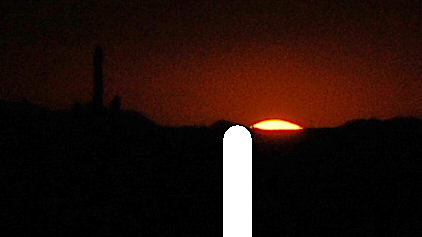
This year we sighted the tequfah (visible equinox) on the evening of March 19—the evening before the published date of the equinox of March 20.
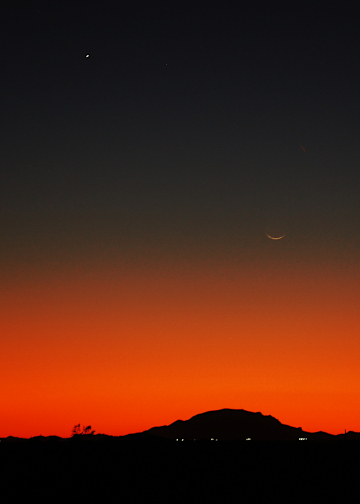
Then 22 minutes later, after sunset, we sighted the first visible crescent. According to the rules of the calendar, this told us the first month of the new year started that evening so we did not add a 13th month. This made the evening of Wednesday, April 1, the beginning of the 14th and the night of the passover.
Now, we don’t look for or worry about barley. As we have thoroughly explained in Bible Calendar Part 3, if we use these rules, there will always be barley in time for a wave offering.
However, one of our fellowship has been planting barley every year where he lives east of Dallas. He loves making bread with it. This year the weather was extremely bad in east Texas, with many weeks of freezing weather. The barley he planted in December was almost completely destroyed in February. All the green leaves had turned brown.
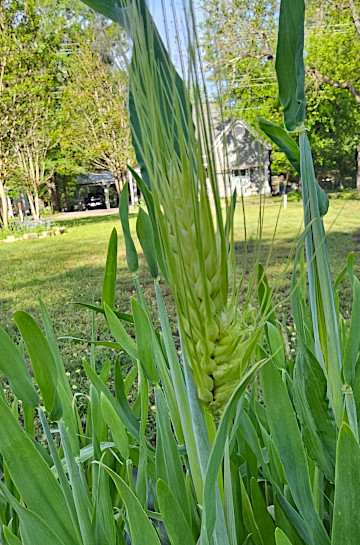
Nonetheless, slowly but surely the plants began to recover. But it didn’t look like they would recover enough by April 5 for them to develop any tender grain (Abib).
On the afternoon of April 4, the ears had still not opened. But overnight it happened. When he looked early Sunday morning . . . well a picture is worth a thousand words. Even with a small planter-box of barley, unusually extreme-weather, and the rare time tequfah occurs just before the new crescent is sighted, there was Abib. Had there been a nation wide farm-planted crop it would have been abundant and sooner.
To be clear, no barley observations, no 19-year cycles, no fixed-length months, no postponements, and no astronomers are needed, just our own eyes.